PGN Ready to Integrate Biomethane into Gas Infrastructure, Promoting the Use of Low-Carbon Energy
Jakarta – The development of biomethane utilising waste from palm oil mills in South Sumatra is now approaching its final stage. PT Perusahaan Gas Negara (Persero) Tbk (PGN) is collaborating with Toyota Tsusho Indonesia (TTI) and PT KIS Biofuels Indonesia (KIS) to optimise the utilisation of this biomethane in order to ensure the availability of future domestic energy supplies.
PGN attended the groundbreaking ceremony for the biomethane plant developed by TTI and KIS on Monday (5 October 2026). The facility utilises organic palm oil mill waste and is targeted to produce approximately 150,000 MMBTU of biomethane per year.
This initiative is the first of its kind in Indonesia to produce biomethane in Sumatra, a region home to numerous oil palm mills. The project also represents a concrete realisation of the Memorandum of Understanding (MoU) on biomethane development in Indonesia signed between PGN and TTI in 2022.
Under this partnership, PGN acts as the offtaker, or primary purchaser, of the biomethane. Furthermore, PGN serves as the transporter, with the biomethane produced by PT KIS Toyota Tsusho Biomethane Indonesia (KTBI)—a joint venture between KIS and TTI—being distributed to Toyota Motor Manufacturing Indonesia (TMMIN) and other industries via PGN’s pipeline network.
“We commend TTI and KIS for commencing the construction of this biomethane facility. For PGN, this is a significant step towards integrating renewable gas from domestic sources into the national energy supply chain. PGN stands ready to provide support through our existing infrastructure and commercial capabilities to ensure biomethane can be utilised by the industrial sector,” said PGN’s Corporate Secretary, Fajriyah Usman.
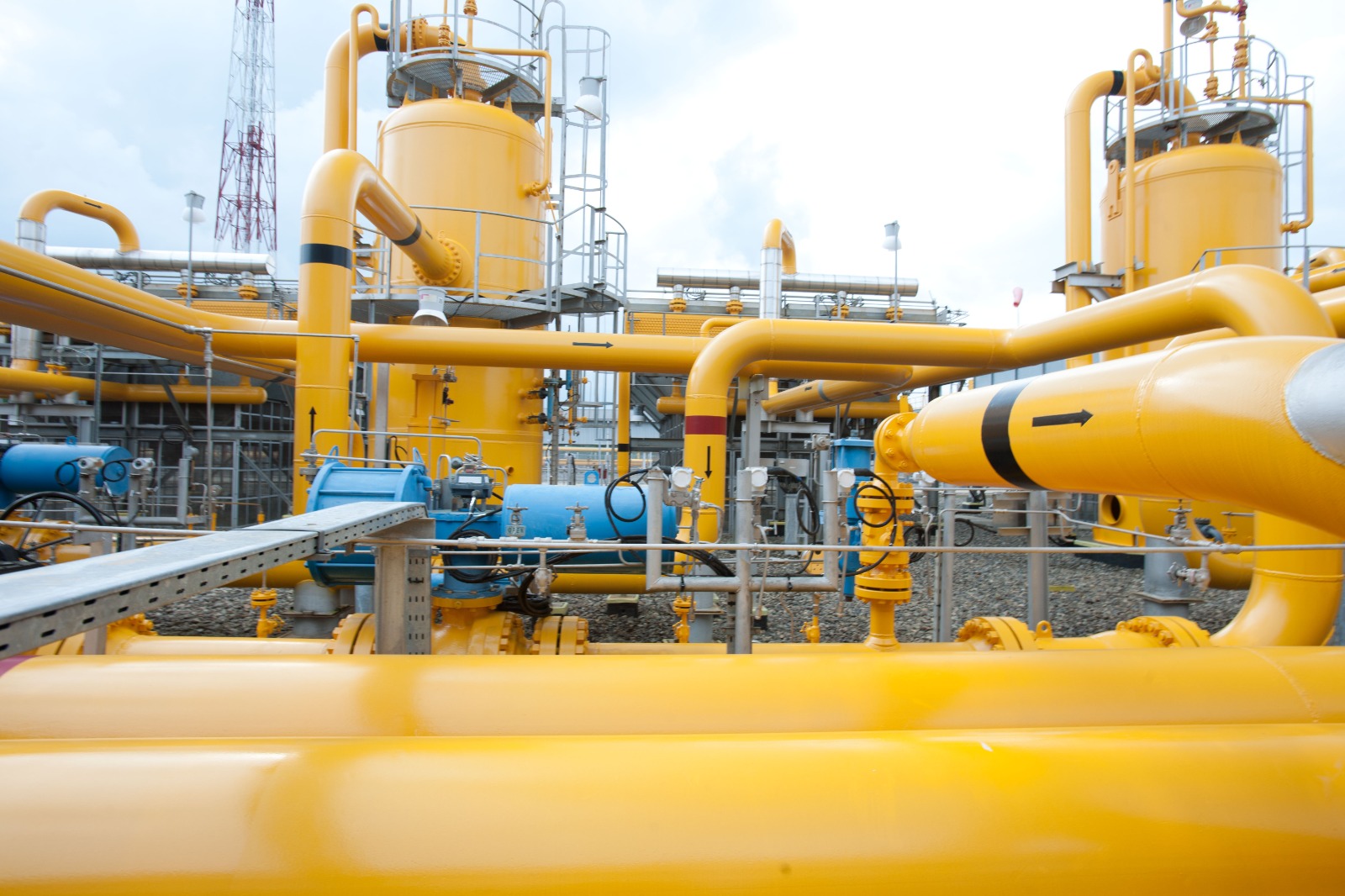
The utilisation of biomethane makes use of the infrastructure already in place for natural gas, meaning customers can switch to biomethane with minimal infrastructure modifications.
In addition to bolstering domestic energy security, the use of biomethane can complement the growing consumption of natural gas as decarbonisation efforts in the industrial sector progress.
The utilisation of palm oil mill effluent (POME) as a feedstock for biomethane provides significant environmental benefits. Methane that would previously have been released into the atmosphere can be captured and processed into energy, thereby supporting the reduction of greenhouse gas emissions as well as the NDC and Net Zero Emissions 2060 targets. This project also strengthens the downstream sector of the palm oil industry by converting waste into economically valuable energy.
According to Fajriyah, biomethane plays a strategic role in supporting energy self-sufficiency and industrial decarbonisation. “Once biomethane production begins, industries such as TMMIN will have access to low-carbon energy that supports competitiveness amidst the demands of the global green supply chain. We hope this collaborative model can be replicated in other palm oil-producing regions,” she added.
PGN will continue to strengthen its collaboration with various partners in developing low-carbon businesses, including biomethane, as part of the company’s commitment to supporting national energy security and the energy transition.
About PGN
PT Perusahaan Gas Negara (Persero) Tbk (PGN) is Pertamina's Gas Subholding, operating in the transmission and distribution of natural gas, as well as the development of integrated natural gas infrastructure and services in Indonesia. PGN manages over 95% of the country's downstream natural gas infrastructure to support Indonesia's energy security and energy transition. PGN also controls over 90% of the commercial natural gas market in Indonesia.
Disclaimer:
This press release contains forward looking statements based on the Company's current data and expectations, which involve a number of risks, uncertainties, and assumptions. Factors that may cause actual results to differ materially include industry conditions, fluctuations in crude oil and gas prices, the Company's ability to obtain and execute new projects, and competitive dynamics. Should one or more of these risks or uncertainties occur, or should the underlying assumptions prove inaccurate, the actual results may differ materially from those stated or anticipated.