












BUSINESS
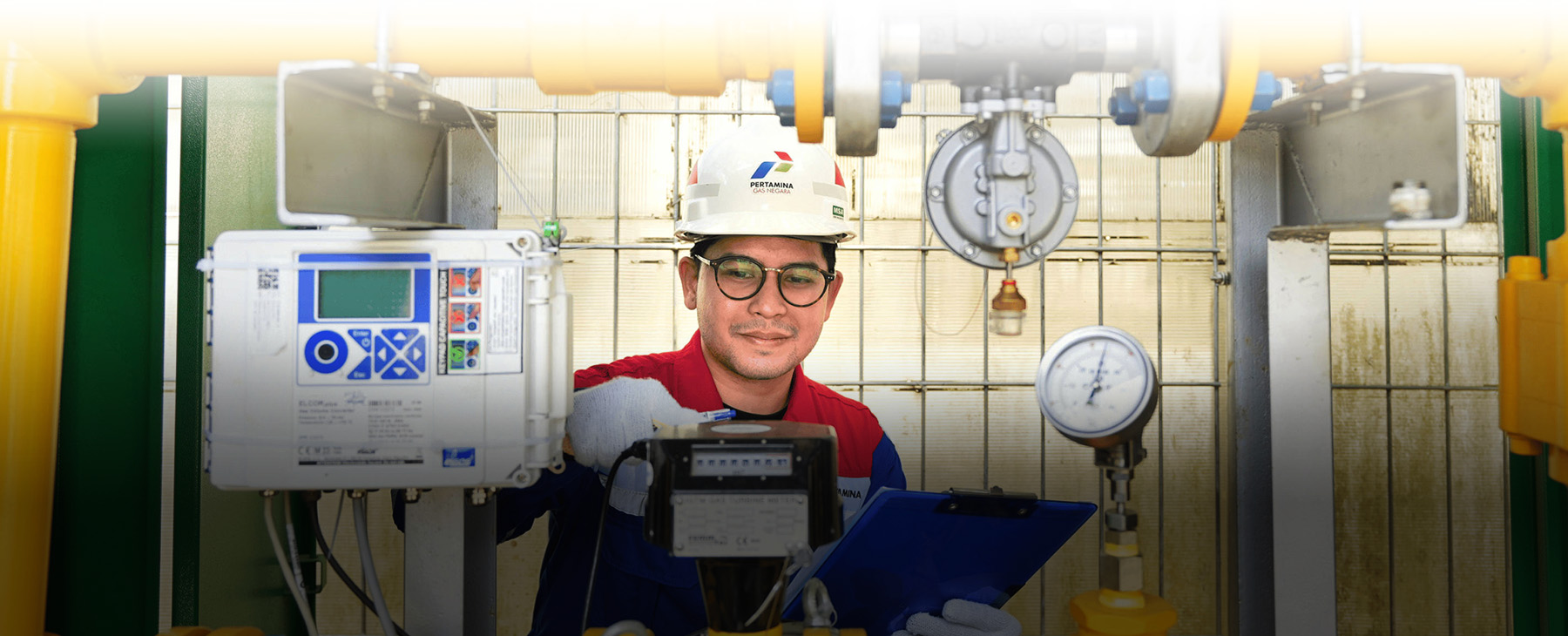
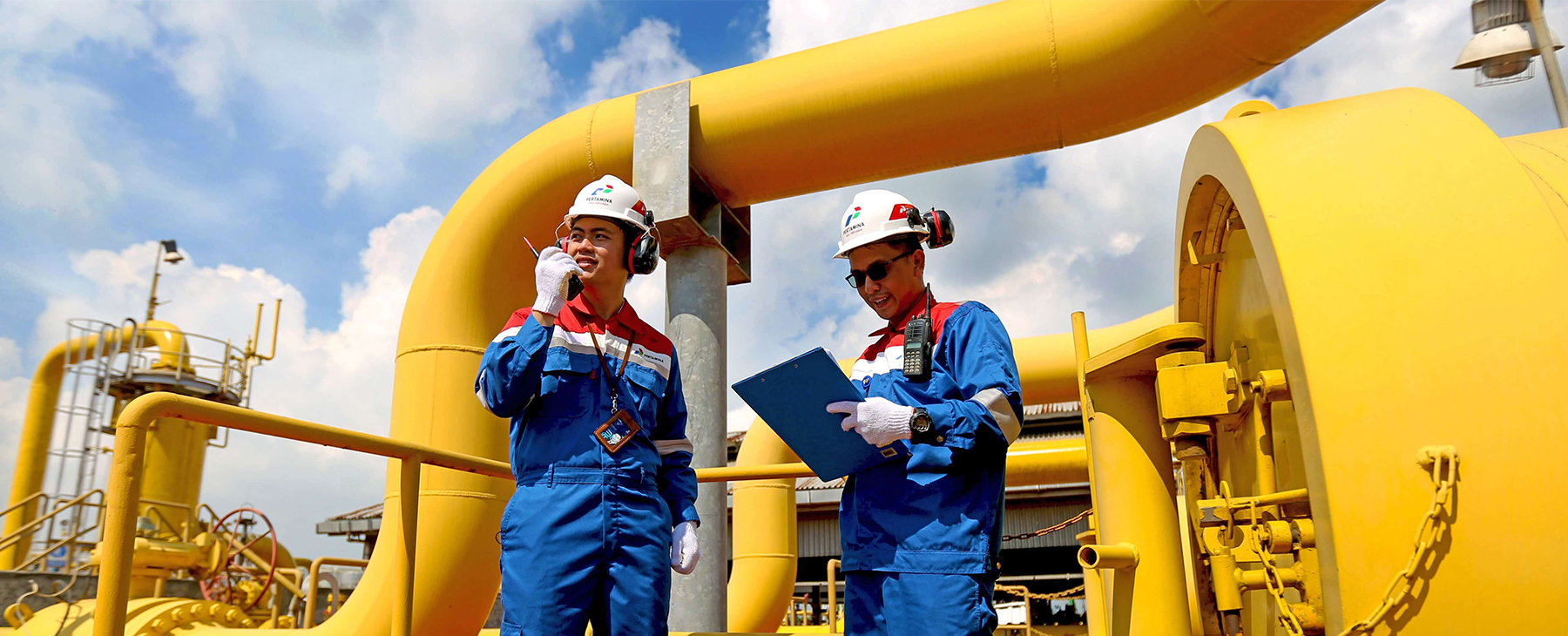
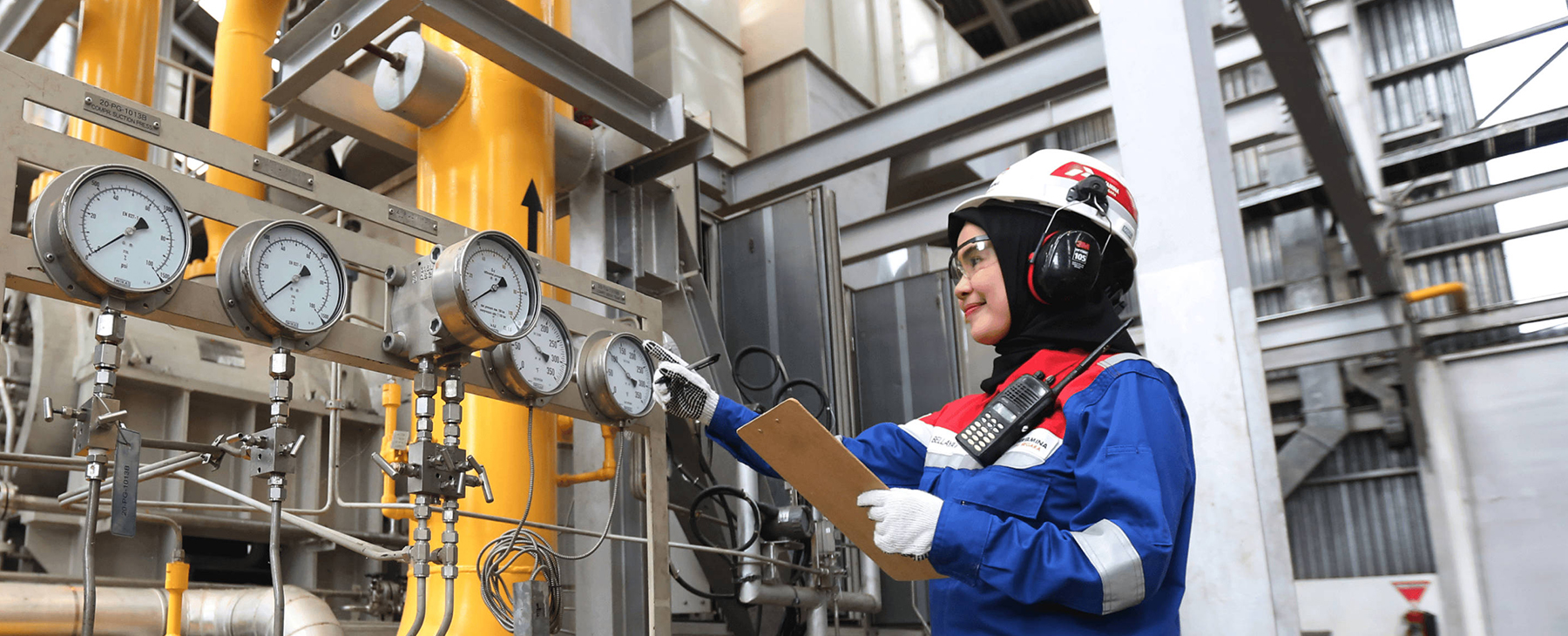
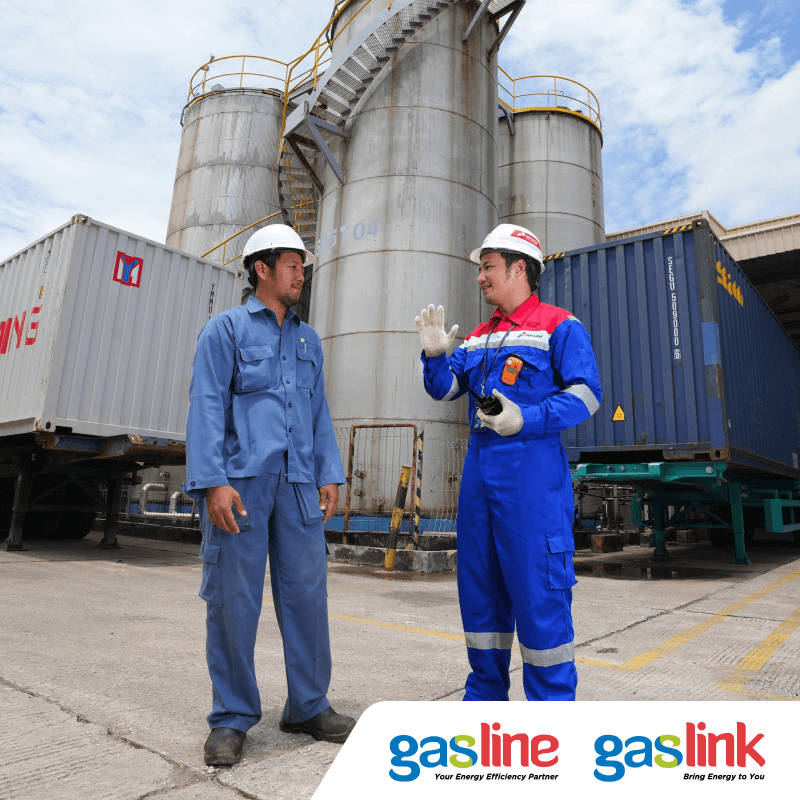
Energy Gas that Drives Your Business. Get a stable gas supply for your power plants, heating, and industrial operations.
Energy Gas that Drives Your Business. Get a stable gas supply for your power plants, heating, and industrial operations. Read more →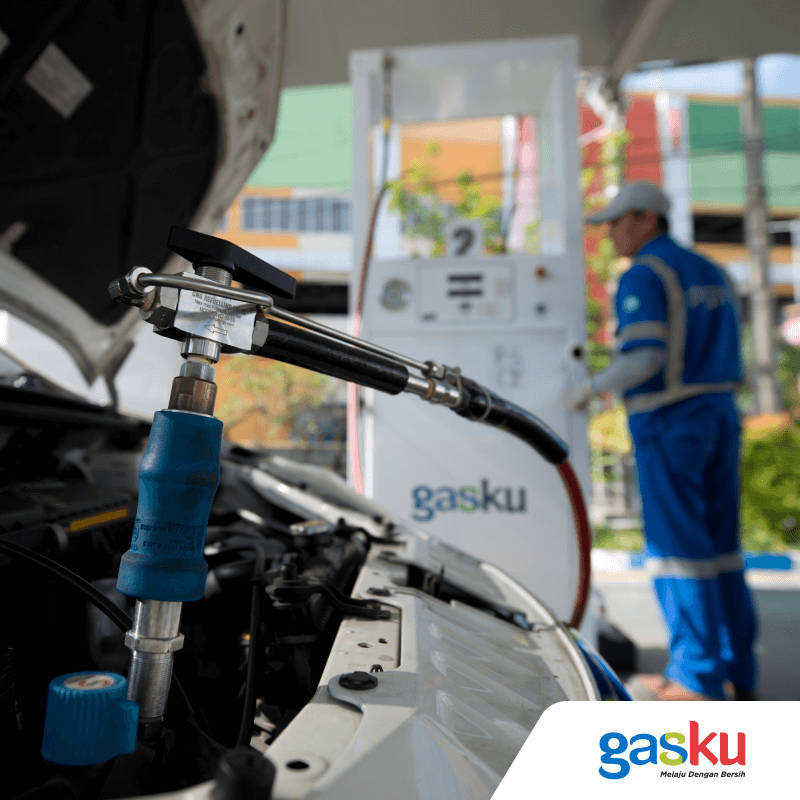

TRANSPORTATION
GasKu: Efficient Fuel for Transportation. GasKu provides cost-effective and eco-friendly gas fuel for your vehicles.
GasKu: Efficient Fuel for Transportation. GasKu provides cost-effective and eco-friendly gas fuel for your vehicles. Read more →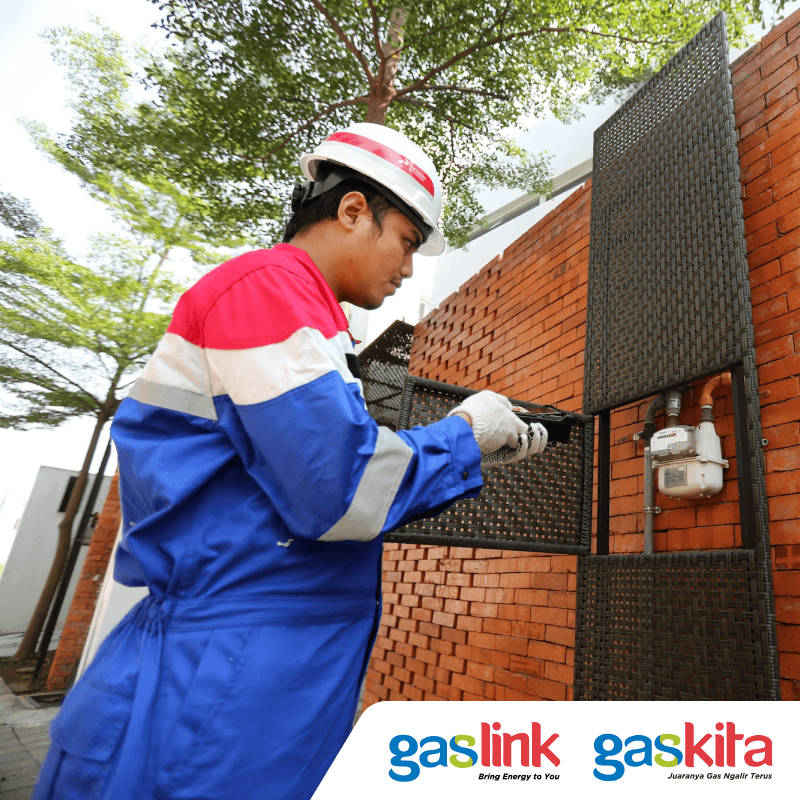

RESIDENTIAL & SME
Practical Gas Solutions for Homes & Businesses. Enjoy the convenience of natural gas for cooking, water heating, and your small business needs.
Practical Gas Solutions for Homes & Businesses. Enjoy the convenience of natural gas for cooking, water heating, and your small business needs. Read more → BUSINESS
Energy Gas that Drives Your Business. Get a stable gas supply for your power plants, heating, and industrial operations.
Energy Gas that Drives Your Business. Get a stable gas supply for your power plants, heating, and industrial operations. Read more → TRANSPORTATION
GasKu: Efficient Fuel for Transportation. GasKu provides cost-effective and eco-friendly gas fuel for your vehicles.
GasKu: Efficient Fuel for Transportation. GasKu provides cost-effective and eco-friendly gas fuel for your vehicles. Read more → RESIDENTIAL & SME
Practical Gas Solutions for Homes & Businesses. Enjoy the convenience of natural gas for cooking, water heating, and your small business needs.
Practical Gas Solutions for Homes & Businesses. Enjoy the convenience of natural gas for cooking, water heating, and your small business needs. Read more → 
- Step 1
Consultation & Site Visit - Step 2
Technical Review & Agreement - Step 3
Gas Infrastructure Installation - Step 4
First Gas Flow
- Consultation & Site VisitPGN assesses your energy needs through online meetings or visits, ensuring the gas solution matches your lifestyle and usage.
- Technical Review & AgreementWe prepare a technical review and commercial agreement, offering transparent costs, schedules, and clear commitments with no hidden surprises.
- Gas Infrastructure InstallationPGN installs pipelines and equipment with certified professionals, ensuring safe, reliable, and ready-to-use gas connections at your location.
- First Gas FlowStart your energy efficiency, and enjoy the comfort of flexibility energy supply, eco-friendly, and always-available gas supply.
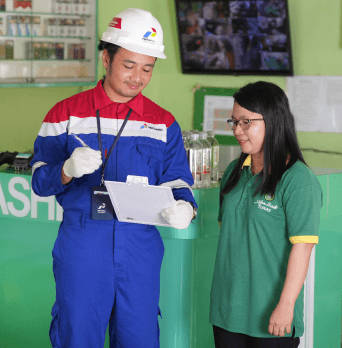

- Step 1 Consultation & Site Visit PGN assesses your energy needs through online meetings or visits, ensuring the gas solution matches your lifestyle and usage.
- Step 2 Technical Review & Agreement We prepare a technical review and commercial agreement, offering transparent costs, schedules, and clear commitments with no hidden surprises.
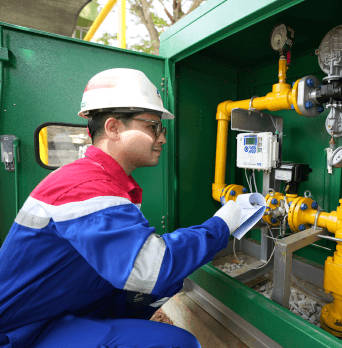
- Step 3 Gas Infrastructure Installation PGN installs pipelines and equipment with certified professionals, ensuring safe, reliable, and ready-to-use gas connections at your location.
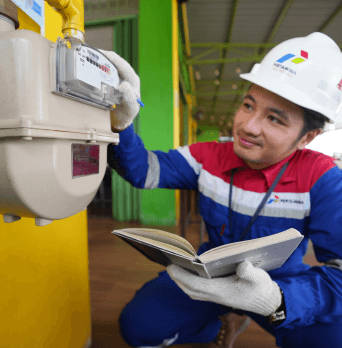
- Step 4 First Gas Flow Start your energy efficiency, and enjoy the comfort of flexibility energy supply, eco-friendly, and always-available gas supply.

Company Profile

Company Profile

Public Information
Reaching More Than
>820.000 >820.000Household Customers
Building More Than
>33.490Km >33.490KmNational Natural
Gas Pipeline Network
Serving More Than
>6.000 >6.000MSME, Industrial &
Commercial Costumers

Sustainability
For Our Earth
Driving the Clean Energy Transition
Addressing Climate Change Challenges
Water and Effluent Management for Sustainable Operations
Optimizing Energy, Sustaining the Earth
Reducing Emission Footprints, Preserving Air Quality
Responsible Waste Management
Biodiversity as The Source of Life
-
Driving the Clean Energy Transition
As the Gas Subholding, PGN plays a crucial role in supporting the government's policy for clean energy, emission reduction in the energy sector by 2035, and achieving net zero-emission target by 2060. PGN actively contributes to the development of a sustainable national economy and the transition to low carbon energy use, as an effort to address the challenges of global climate change.
Here are PGN's strategic steps toward NZE:
- Optimization of Natural Gas as Transition
- Development of Low Carbon and Renewable Energy
- Digitalization and Operational Efficiency
- Infrastructure Development and Market Expansion
- Sustainability Governance and ESG Integration
-
Addressing Climate Change Challenges
The Company recognizes that climate change can impact the environment as well as its operational and production activities in the future. In response, the company continuously conducts internal risk analyses that may arise and takes the necessary mitigation steps.
PGN has adopted various methods to manage risks or opportunities related to climate change, including:
- Emission Reduction through Energy Efficiency Programs
- Greening Programs to preserve ecosystems and reduce CO2 concentrations in the atmosphere
- Development of Infiltration Wells and Biopore Holes to absorb rainwater into the soil, reduce surface water flow, and minimize flood risks
-
Water and Effluent Management for Sustainable Operations
PGN does not require water in carrying gas distribution and transmission activities. However, water is used in small quantities for maintenance purposes, such as cleaning pipes, equipment, and other infrastructure. Additionally, water is used for domestic needs at the head office and operational support facilities of PGN, so that water withdrawal and consumption data show relatively similar values. Although the use of water for maintenance is limited, PGN still prioritizes water use efficiency and ensures that its activities do not have a negative impact on the environment.
PGN has implemented various initiatives to applythe 4R principles (Reduce, Reuse, Recycle, Recover) to improve the quality of waste water disposal, and regular monitoring and effluent quality measurements. -
Optimizing Energy, Sustaining the Earth
PGN is continuously improving energy efficiency while supporting the sustainability of the company's operations. In 2024, the total energy consumption for the distribution of natural gas reached 1,456,924.09 GJ. The energy intensity in2024 was 2,22 GJ/MMSCF, which decreased by 14% compared to the energy consumption intensity in 2023.
As part of energy conservation initiatives, PGN has started utilizing renewable energy by installing solar panel systems at several gas distribution and transmission stations, as well as office areas.
-
Reducing Emission Footprints, Preserving Air Quality
The scope 1 and 2 emissions intensity of PGN Subholding Gas in 2024 is 177.20 tonsCO2 eq/million USD, and the scope 3 emissions intensity is 5,403.57 tonsCO2eq/million USD. In the medium and long term, PGN Subholding Gas is committed to reducing the scope 3 emission intensity to achieve the maximum global warming rate target of 1.50C compared to before the industrial revolution era. -
Responsible Waste Management
Waste management is carried out through various methods, such as reduction, recycling, reuse, or responsible disposal. Based on its nature, PGN generates two types of waste: hazardous and toxic waste and non-hazardous waste.
PGN's commitment to managing hazardous waste is reflected in its HSSE Policy, which prioritizes pollution prevention through the application of the 4R principles: reduce, reuse, recycle, and recover.
In 2024, non-hazardous waste (non-B3) generation significantly decreased to only 37% of the total non-B3 waste generated in 2023. This achievement demonstrates the success of implementing the 4R principles across all Subholding Gas operational locations. -
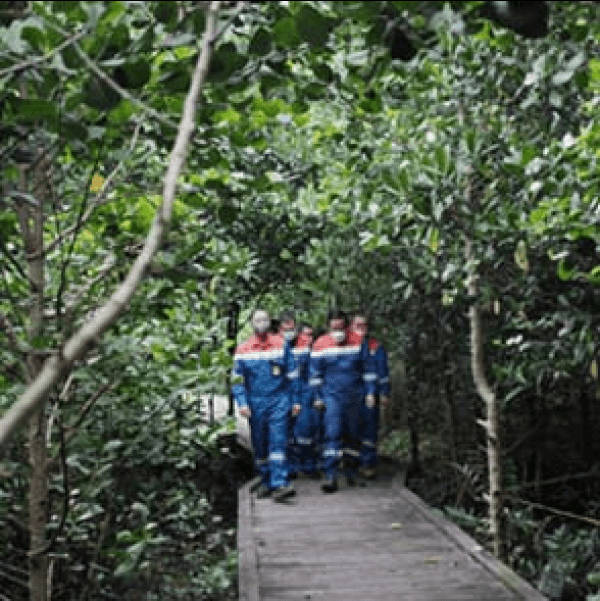
Biodiversity as The Source of Life
PGN conducts biodiversity conservation assessments through the Biodiversity Action Plan (BAP) process, following a hierarchical approach based on references from the International Union for Conservation of Nature (IUCN). This approach is outlined in the Guidelines for Developing a Biodiversity Action Plan (BAP) to Achieve Net Positive Impact (NPI), Document No. A04-008/S00000/2022-S9. The BAP is designed to protect and manage biodiversity within a specific area or ecosystem.
PGN demonstrates its dedication to environmental and biodiversity conservation through internal initiatives and external programs. These programs are part of its corporate social and environmental responsibility efforts, as regulated under Minister of State-Owned Enterprises Regulation No. PER 05/MBU/04/2021 on Corporate Social and Environmental Responsibility Programs for State-Owned Enterprises. PGN also ensures the fulfilment of its No Net Loss (NNL) target by monitoring the biodiversity index (Shannon-Wiener Index) across all critical locations.
PGN also runs external environmental conservation programs as part of its corporate social and environmental responsibility.
- Driving the Clean Energy Transition
As the Gas Subholding, PGN plays a crucial role in supporting the government's policy for clean energy, emission reduction in the energy sector by 2035, and achieving net zero-emission target by 2060. PGN actively contributes to the development of a sustainable national economy and the transition to low carbon energy use, as an effort to address the challenges of global climate change.
Here are PGN's strategic steps toward NZE:
- Optimization of Natural Gas as Transition
- Development of Low Carbon and Renewable Energy
- Digitalization and Operational Efficiency
- Infrastructure Development and Market Expansion
- Sustainability Governance and ESG Integration
- Addressing Climate Change Challenges
The Company recognizes that climate change can impact the environment as well as its operational and production activities in the future. In response, the company continuously conducts internal risk analyses that may arise and takes the necessary mitigation steps.
PGN has adopted various methods to manage risks or opportunities related to climate change, including:
- Emission Reduction through Energy Efficiency Programs
- Greening Programs to preserve ecosystems and reduce CO2 concentrations in the atmosphere
- Development of Infiltration Wells and Biopore Holes to absorb rainwater into the soil, reduce surface water flow, and minimize flood risks
- Water and Effluent Management for Sustainable Operations
PGN does not require water in carrying gas distribution and transmission activities. However, water is used in small quantities for maintenance purposes, such as cleaning pipes, equipment, and other infrastructure. Additionally, water is used for domestic needs at the head office and operational support facilities of PGN, so that water withdrawal and consumption data show relatively similar values. Although the use of water for maintenance is limited, PGN still prioritizes water use efficiency and ensures that its activities do not have a negative impact on the environment.
PGN has implemented various initiatives to applythe 4R principles (Reduce, Reuse, Recycle, Recover) to improve the quality of waste water disposal, and regular monitoring and effluent quality measurements. - Optimizing Energy, Sustaining the Earth
PGN is continuously improving energy efficiency while supporting the sustainability of the company's operations. In 2024, the total energy consumption for the distribution of natural gas reached 1,456,924.09 GJ. The energy intensity in2024 was 2,22 GJ/MMSCF, which decreased by 14% compared to the energy consumption intensity in 2023.
As part of energy conservation initiatives, PGN has started utilizing renewable energy by installing solar panel systems at several gas distribution and transmission stations, as well as office areas.
- Reducing Emission Footprints, Preserving Air Quality The scope 1 and 2 emissions intensity of PGN Subholding Gas in 2024 is 177.20 tonsCO2 eq/million USD, and the scope 3 emissions intensity is 5,403.57 tonsCO2eq/million USD. In the medium and long term, PGN Subholding Gas is committed to reducing the scope 3 emission intensity to achieve the maximum global warming rate target of 1.50C compared to before the industrial revolution era.
- Responsible Waste Management
Waste management is carried out through various methods, such as reduction, recycling, reuse, or responsible disposal. Based on its nature, PGN generates two types of waste: hazardous and toxic waste and non-hazardous waste.
PGN's commitment to managing hazardous waste is reflected in its HSSE Policy, which prioritizes pollution prevention through the application of the 4R principles: reduce, reuse, recycle, and recover.
In 2024, non-hazardous waste (non-B3) generation significantly decreased to only 37% of the total non-B3 waste generated in 2023. This achievement demonstrates the success of implementing the 4R principles across all Subholding Gas operational locations. - Biodiversity as The Source of Life
PGN conducts biodiversity conservation assessments through the Biodiversity Action Plan (BAP) process, following a hierarchical approach based on references from the International Union for Conservation of Nature (IUCN). This approach is outlined in the Guidelines for Developing a Biodiversity Action Plan (BAP) to Achieve Net Positive Impact (NPI), Document No. A04-008/S00000/2022-S9. The BAP is designed to protect and manage biodiversity within a specific area or ecosystem.
PGN demonstrates its dedication to environmental and biodiversity conservation through internal initiatives and external programs. These programs are part of its corporate social and environmental responsibility efforts, as regulated under Minister of State-Owned Enterprises Regulation No. PER 05/MBU/04/2021 on Corporate Social and Environmental Responsibility Programs for State-Owned Enterprises. PGN also ensures the fulfilment of its No Net Loss (NNL) target by monitoring the biodiversity index (Shannon-Wiener Index) across all critical locations.
PGN also runs external environmental conservation programs as part of its corporate social and environmental responsibility.